

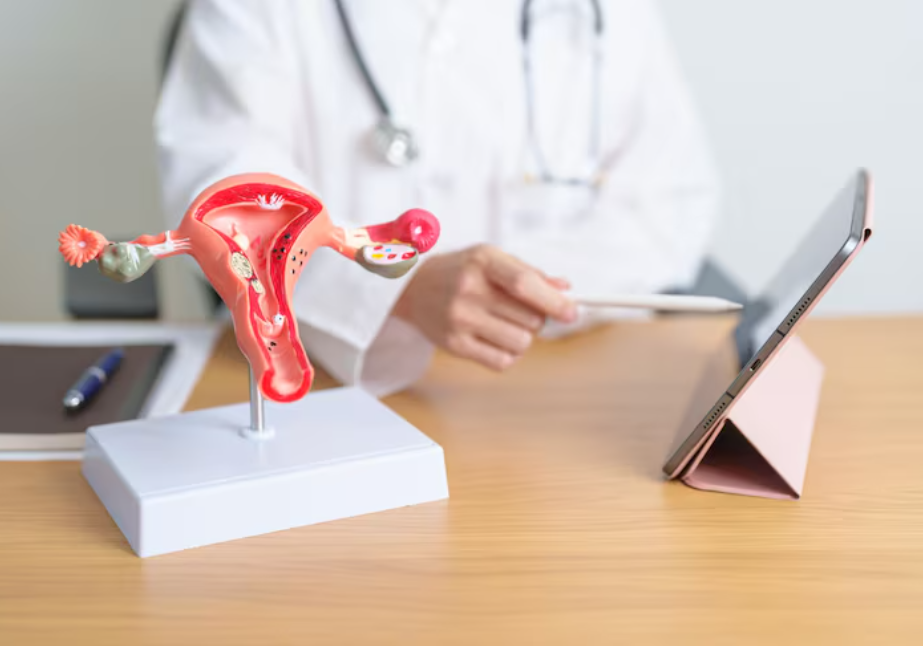
Early Signs of Hormonal Imbalance in Women – How Your GP Can Help Identify Perimenopause Sooner
Understanding Hormonal Imbalance in Women
Hormonal changes are a natural part of every woman’s life, but when they start disrupting your energy, mood, and daily comfort, it’s time to pay attention. Many women in their 40s (and even late 30s) begin to experience early signs of hormonal imbalance that are often linked to perimenopause – the transitional stage before menopause.
As a GP specialising in women’s health and menopause care in Swansea, I often see women who’ve been struggling silently with these symptoms, assuming they’re just part of ageing or stress. Recognising the signs early and addressing them can make a huge difference to your long-term wellbeing.
Common Early Signs of Hormonal Imbalance

The symptoms of perimenopause vary for every woman, but some early indicators often include:
- Irregular or missed periods
- Hot flushes or night sweats
- Sleep disturbances or restlessness
- Tiredness and lack of energy
- Joint pains or stiffness
- Low mood or increased anxiety
- Weight gain or bloating
- Thinning hair and dry skin
- Decreased concentration or “brain fog”
- Low libido or vaginal dryness
These signs may appear subtle at first, but they can significantly affect your quality of life if left unmanaged.
Why the First 10 Years Matter Most
The first decade of menopause and perimenopause plays a crucial role in long-term health protection. During this period, falling oestrogen levels can increase the risk of:
- Heart attacks and cardiovascular disease
- Persistent memory impairment
- Osteoporosis (brittle bones prone to fractures)
Addressing your symptoms before irreversible damage occurs is key in effective menopause management. Early evaluation and personalised care can protect both your current wellbeing and your future health.
When to See a GP
If you’re noticing any of these changes – even mild ones – it’s best not to wait. Your GP can help identify whether your symptoms are related to hormonal changes or another health condition.
At You Clinic and other Swansea practices, I offer:

- GP-led menopause and perimenopause assessments
- Hormone testing and personalised treatment options
- Hormone Replacement Therapy (HRT) when suitable
- Lifestyle and nutritional support to ease symptoms
- Preventive care to reduce long-term health risks
How Personalised Menopause Care Helps
Every woman’s experience is different. That’s why a personalised approach is essential. Treatment may include HRT, cognitive support for mood changes, weight management, and bone health monitoring.
My goal is to help you feel like yourself again – with balanced hormones, renewed energy, and confidence in your health journey.
People Also Ask
1. How do I know if I’m entering perimenopause?
If you’re in your 40s and you’re having irregular periods, mood changes, or hot flushes, this may be perimenopause. A GP can confirm this through blood tests and symptom review.
2. Is there natural treatment for hormonal imbalance?
Yes, in certain cases, that is true. Balanced nutrition, regular exercise, stress management, and enough sleep increase one’s hormone health. Medical advice assures that no underlying conditions are overlooked.
3. When should I see a doctor for hormone problems?
Book a GP appointment if symptoms impact your daily life, sleep, or emotional wellbeing. Note: early support prevents symptoms from worsening and improves long-term health outcomes.
Book Your Consultation Today
If you’ve been feeling “off” and suspect it might be hormonal, I encourage you to book a one-to-one consultation.
You don’t need to wait until symptoms worsen – early intervention can transform your health for the better.
Clinics in Swansea:
* Sancta Maria Hospital – Thursday mornings
* YOU Clinic, Penllergaer – Evenings & Weekends
* 1192 Clinic at Swansea Stadium – Saturday mornings
Call 07816 524030 or book online at drshlaingwomenhealth.co.uk

