

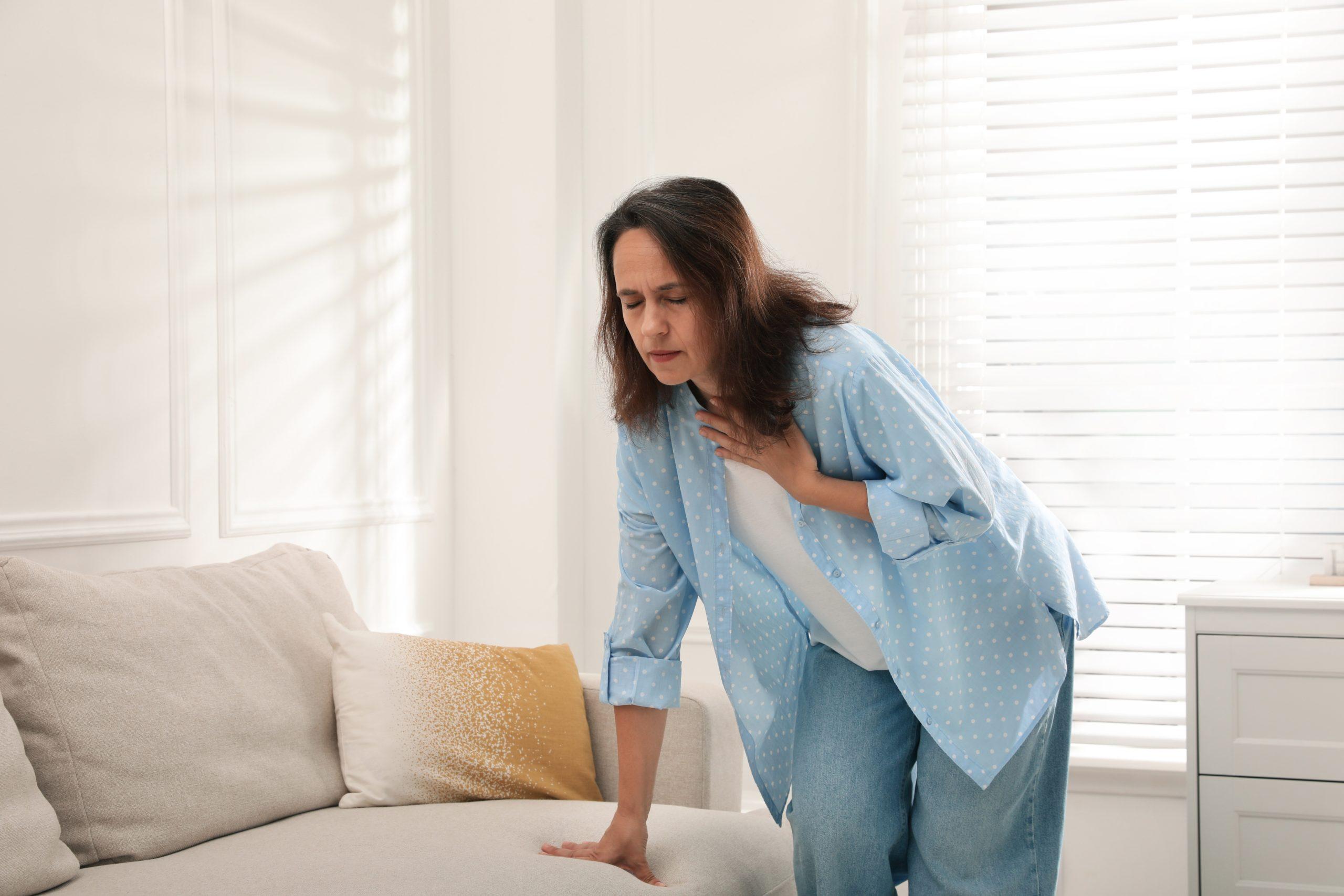
Shortness of Breath in Women: Common Causes and When to Seek Medical Advice in the UK
Shortness of breath, often referred to as breathlessness, is a common symptom that affects women of all ages. It can range from becoming slightly out of breath while climbing stairs to experiencing difficulty breathing during everyday activities or even at rest. While occasional breathlessness may occur after physical exertion or during a respiratory infection, persistent or unexplained symptoms should never be ignored.
Many women over 40 notice changes in their breathing and may wonder whether factors such as ageing, reduced fitness, anxiety, perimenopause, menopause, or an underlying health condition could be responsible. The reality is that breathlessness can have many causes, and identifying the underlying reason is essential for appropriate treatment.
At Dr Sandar Hlaing Women’s Health, we take a holistic and personalised approach to investigating breathlessness in women. Through comprehensive consultations, diagnostic testing, and tailored treatment plans, we help patients understand what may be causing their symptoms and what steps can be taken to improve their health and well-being.
What Is Shortness of Breath?
Shortness of breath is the sensation of not being able to get enough air or feeling that breathing requires more effort than usual. Some women describe it as:
Feeling breathless during normal activities
- Difficulty taking a deep breath
- Chest tightness
- Feeling winded after minimal exertion
- A sensation of not getting enough oxygen
- Needing to stop and rest more often than usual
Breathlessness can develop suddenly or gradually over time. While some causes are temporary and harmless, others may require medical investigation and treatment.
What Causes Breathlessness? It’s Not Always the Lungs
Many people assume that breathlessness is always related to lung disease. However, shortness of breath can result from a wide range of physical and emotional factors, including conditions affecting the heart, blood, hormones, mental well-being, and overall fitness.
Understanding the cause is important because treatment varies significantly depending on the underlying issue. For example, breathlessness caused by asthma requires a different approach from breathlessness caused by anaemia, anxiety, or menopause-related changes.
At Dr Sandar Hlaing Women’s Health, we look beyond symptoms alone to identify the root cause of your breathlessness and develop an appropriate management plan.
Common Causes of Shortness of Breath in Women
Asthma
Asthma is a common respiratory condition that affects the airways and can make breathing more difficult.
Symptoms may include:
- Wheezing
- Coughing
- Chest tightness
- Breathlessness during exercise or activity
Some women develop asthma later in life, while others may notice worsening symptoms due to hormonal changes, allergies, or environmental triggers.
Anaemia
Anaemia occurs when the body does not have enough healthy red blood cells to carry oxygen efficiently.
Common symptoms include:
- Shortness of breath
- Fatigue
- Weakness
- Dizziness
- Palpitations
Iron deficiency anaemia is particularly common in women and can often be identified through blood testing.
Heart Conditions
The heart and lungs work closely together, so cardiovascular problems can sometimes present as breathlessness.
Potential symptoms may include:
- Breathlessness during physical activity
- Swollen ankles
- Fatigue
- Chest discomfort
- Heart palpitations
Early assessment is important to identify any underlying cardiac concerns.
Respiratory Infections
Chest infections, bronchitis, pneumonia, and other respiratory illnesses can cause temporary breathing difficulties.
Although symptoms often improve as the infection resolves, persistent breathlessness following an illness should be evaluated.
Long COVID
Some individuals continue to experience symptoms long after recovering from COVID-19.
Long COVID may cause:
- Ongoing breathlessness
- Fatigue
- Reduced exercise tolerance
- Brain fog
- Chest discomfort
These symptoms can significantly affect quality of life and may require further assessment.
Anxiety and Panic Attacks
Anxiety can have a significant impact on breathing patterns.
Stress and anxiety may cause:
- Rapid breathing
- Chest tightness
- Difficulty taking a deep breath
- Feelings of air hunger
For some women, anxiety-related breathlessness can feel similar to a physical respiratory problem, making proper assessment particularly important.
Perimenopause and Menopause
Hormonal changes during perimenopause and menopause can contribute to feelings of breathlessness in some women.
Fluctuating and declining hormone levels may affect:
- Breathing patterns
- Anxiety levels
- Sleep quality
- Heart palpitations
- Energy levels
Although menopause itself may contribute to symptoms, it is important not to assume that hormonal changes are the only cause. A thorough medical assessment can help rule out other underlying conditions.
Weight Gain and Reduced Fitness
Changes in weight and fitness levels can affect breathing efficiency.
Many women notice reduced exercise tolerance during midlife due to:
- Weight gain
- Reduced physical activity
- Loss of muscle mass
- Changes in cardiovascular fitness
Improving fitness and addressing underlying health concerns can often help reduce symptoms.
Can Perimenopause or Menopause Cause Breathlessness?
One of the most common questions women ask is whether menopause can cause shortness of breath.
The answer is yes, it can contribute to breathlessness in some women.
During perimenopause and menopause, changes in oestrogen and progesterone levels can affect multiple systems throughout the body. Some women notice that they become more aware of their breathing or experience episodes of breathlessness that seem to occur without an obvious cause.
Menopause-related breathlessness may be associated with:
- Anxiety and panic symptoms
- Heart palpitations
- Sleep disturbance Fatigue
- Reduced exercise tolerance
- Changes in cardiovascular health
Women may also experience breathlessness alongside other common menopause symptoms such as hot flushes, night sweats, mood changes, and brain fog.
However, it is important not to self-diagnose. Breathlessness should always be properly assessed to exclude conditions such as asthma, anaemia, heart disease, or lung disorders.
Common Symptoms That May Occur Alongside Breathlessness
Breathlessness often occurs alongside other symptoms that may provide clues about the underlying cause.
These may include:
- Fatigue
- Dizziness
- Heart palpitations
- Chest tightness
- Persistent cough
- Wheezing
- Poor sleep
- Anxiety
- Hot flushes
- Night sweats
- Brain fog
- Reduced exercise tolerance
Discussing all of your symptoms during a consultation can help create a more complete picture of your health.
When Should Breathlessness Be Taken Seriously?
While mild breathlessness may sometimes have a straightforward explanation, certain symptoms require prompt medical attention.
You should seek medical advice if you experience breathlessness:
- Is new or unexplained
- Is becoming more frequent
- Interferes with daily activities
- Occurs during minimal exertion
- Occurs at rest
- Affects your quality of life
Urgent medical attention should be sought if breathlessness is accompanied by:
- Chest pain
- Severe chest tightness
- Fainting or collapse
- Blue lips or skin
- Confusion
- Coughing up blood
Early assessment can help identify serious conditions and provide reassurance where appropriate.
How Dr Sandar Investigates Shortness of Breath
At Dr Sandar Hlaing Women’s Health, consultations are designed to identify the cause of symptoms rather than simply treating them at surface level.
Comprehensive Medical History
Your consultation begins with a detailed discussion covering:
Your symptoms
Medical history
Menopause status
Lifestyle factors
Family history
Current medications
Physical Examination
A clinical examination helps identify signs that may point towards respiratory, cardiovascular, or other underlying causes.
Lung Function Testing
On-site breathing tests can help assess lung health and identify conditions such as asthma or other respiratory concerns.
Blood Tests
Blood investigations may be recommended to assess for:
- Anaemia
- Vitamin deficiencies
- Thyroid disorders
- Inflammation
- Other potential contributors to breathlessness
Further Investigations
Where appropriate, additional investigations may be arranged, including:
- Chest X-rays
- ECG testing
- Specialist referrals
- Additional imaging studies
Treatment Options for Shortness of Breath in Women
Treatment depends entirely on the underlying cause.
Once the reason for your symptoms has been identified, management may include:
- Treatment for asthma or respiratory conditions
- Correction of anaemia or nutritional deficiencies
- Menopause management and hormonal assessment
- Support for anxiety and stress management
- Weight management strategies
- Exercise and fitness guidance
- Referral to specialists where required
Many women experience significant improvement once the underlying cause is properly diagnosed and treated.
Frequently Asked Questions
What causes shortness of breath in women?
Shortness of breath can be caused by asthma, anaemia, heart conditions, respiratory infections, anxiety, long COVID, reduced fitness, weight gain, and hormonal changes during perimenopause or menopause.
Can menopause cause shortness of breath?
Yes. Hormonal fluctuations during perimenopause and menopause may contribute to breathlessness, often alongside symptoms such as anxiety, palpitations, fatigue, and poor sleep.
Is breathlessness a symptom of perimenopause?
It can be. Some women experience episodes of breathlessness during perimenopause due to hormonal changes and associated symptoms.
Can anxiety cause breathlessness?
Yes. Anxiety can affect breathing patterns and create sensations of chest tightness, rapid breathing, or difficulty taking a deep breath.
When should I worry about shortness of breath?
You should seek medical advice if symptoms are new, worsening, persistent, or affecting your daily life. Urgent medical attention is required if breathlessness is severe or associated with chest pain, fainting, or blue lips.
What tests are used to investigate breathlessness?
Assessment may include lung function testing, blood tests, ECGs, chest imaging, and a detailed medical evaluation depending on your symptoms.
Ready to Take the Next Step?
Living with unexplained breathlessness can be frustrating, worrying, and disruptive to everyday life. Whether your symptoms are related to asthma, anaemia, anxiety, menopause, heart health, or another underlying condition, obtaining an accurate diagnosis is the first step towards effective treatment.
Dr Sandar Hlaing provides comprehensive shortness of breath assessments tailored to women’s health needs, combining clinical expertise with a compassionate and personalised approach.
Related Services
- Over 50 Health Screening
- Menopause and Perimenopause Care
- Medical Weight Management
- Mental Health and Wellbeing Support
- Elderly Care Services
If you are experiencing ongoing breathlessness or have concerns about your symptoms, book a consultation with Dr Sandar Hlaing today and take the first step towards breathing easier and living more confidently.


binance
Your point of view caught my eye and was very interesting. Thanks. I have a question for you. https://www.binance.com/pt-BR/register?ref=GJY4VW8W